
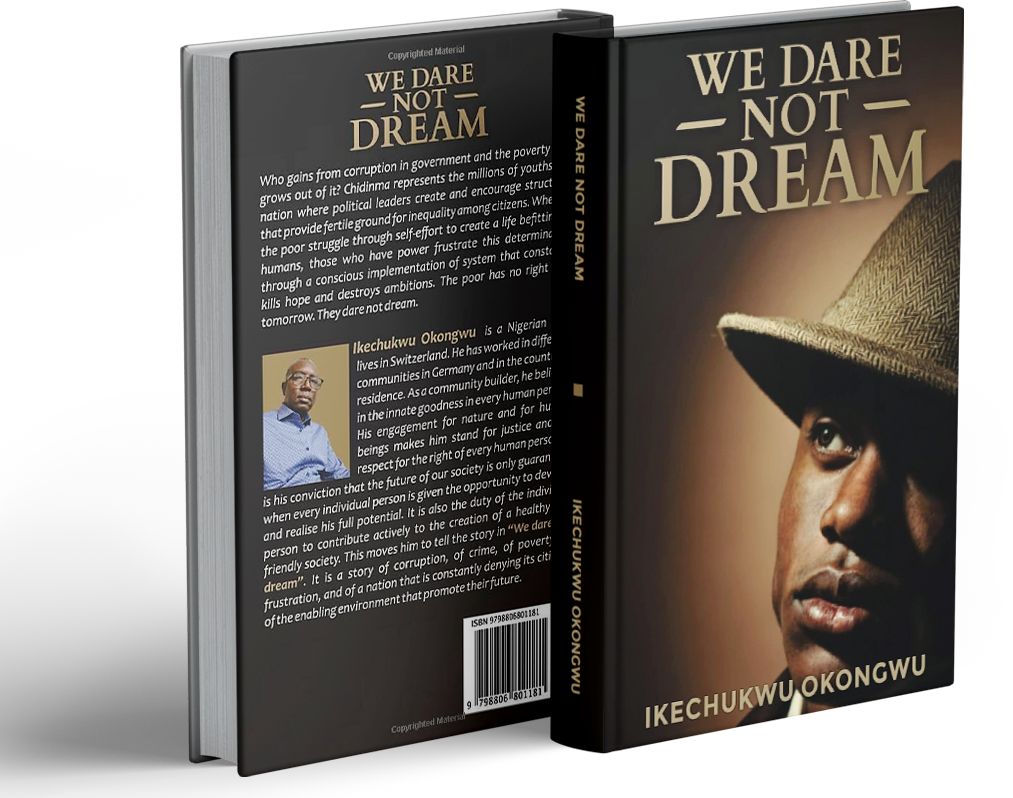

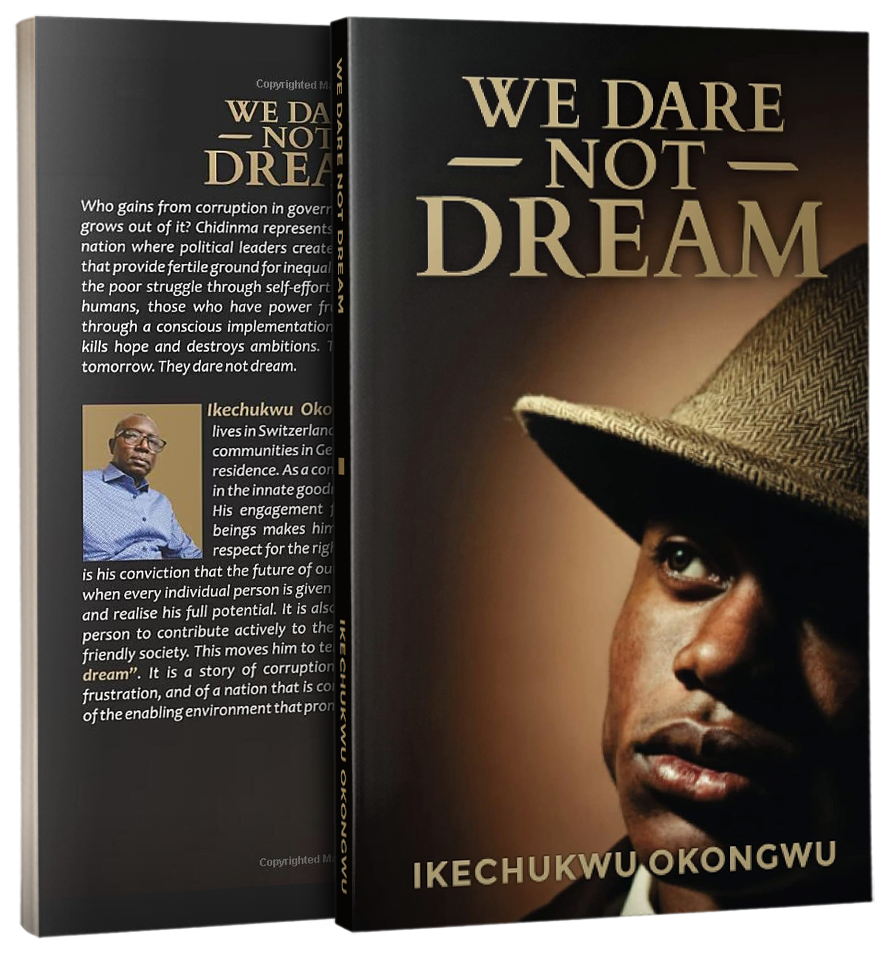
I finished this book in two days because I couldn’t stop reading. This book hit me right in the gut. Growing up in a similar Nigerian household, the struggles of poverty and family expectations felt so real. Chinedu's story reminded me of my own brother, always speaking up, but life just keeps knocking him down. Okongwu's writing is straightforward, like he's just telling it how it is, no frills. I teared up during the parts about Mama's illness. A solid read for anyone who knows what it's like to fight for every little thing.

As an outsider to Nigerian culture, this novel opened my eyes to the daily grind in places like Onitsha. The themes of corruption, inequality, and dashed hopes are universal, but the Igbo traditions and family dynamics added a fresh layer. I appreciated the short chapters that made it easy to read in bursts. Some parts felt a bit repetitive, like the poverty descriptions, but overall, it's a poignant story that lingers. Recommended for book clubs discussing social issues.
Okongwu's portrayal of women's roles and resilience is spot on. From Nneka's pregnancy woes to the market scenes, it felt like my village life growing up. The glossary helped with terms like "omugwo," which I loved seeing explained. Some plot threads felt unresolved, but the message about daring to dream despite odds is inspiring. Great for young readers learning about our culture.
This book is a wake-up call. Ikechukwu Okongwu doesn’t sugarcoat anything, he exposes a society where the powerful exploit the weak and where poverty is used as a tool to control citizens. Reading about Chinedu and Chidinma, I kept asking myself: how many real people experience this every day? The narrative is raw but also deeply human, showing how ordinary people try to survive and maintain dignity in the face of systemic injustice. It’s one of those novels that makes you angry but also hopeful that change is possible.
What struck me most was the author’s deep belief in human goodness. Even with corruption, exploitation, and injustice, there’s a thread of hope throughout the story. Chidinma’s choices, though difficult, show that maintaining integrity is possible even when society seems stacked against you. The novel challenges readers to examine their own roles in society and to consider how we can contribute to building a more just world. It’s powerful, moving, and ultimately a story about spirited ethics and the pursuit of dreams in a broken system.
We Dare Not Dream is one of the most emotionally charged novels I have ever read. It made me angry, sad, and inspired all at once. The depiction of political manipulation and weaponized poverty is so realistic that it feels like a reflection of real life. At the same time, the book highlights the inner strength of ordinary citizens who refuse to give up, no matter how bleak the situation. It’s a story that will resonate with anyone who has experienced disappointment, injustice, or the frustration of seeing hard work go unrewarded. Truly unforgettable.



Adaobi Eze